The convenience of a modern kitchen often collides with the functional limits of subterranean waste management. One of the most common dilemmas property owners face is whether their plumbing setup can handle the strain of daily food disposal. While grinding up meal prep scraps seems highly efficient, food solids break down much slower than human waste, rapidly increasing the solid layer within your underground holding chambers. We want to ensure you have the facts before sending more debris down the drain.
Can You Use a Garbage Disposal with a Septic Tank?
How Ground Food Solids Disrupt Settling Chambers
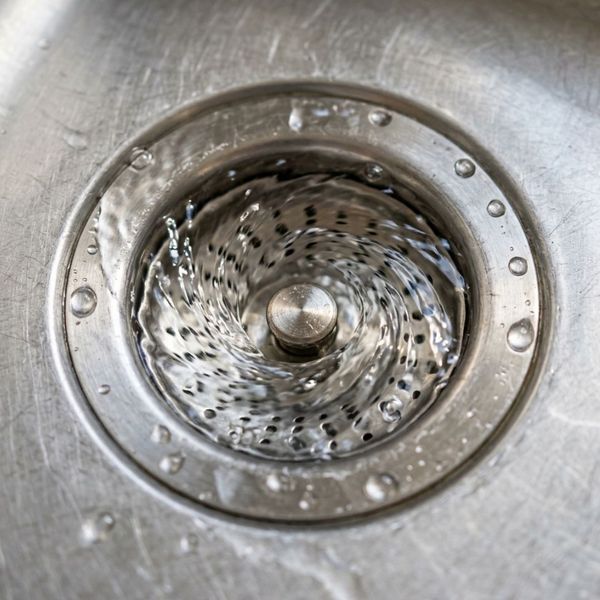
When you use a disposal, fine food particles bypass the natural breakdown process. Instead of settling cleanly as sludge, these tiny organic fragments can remain suspended in your tank's wastewater. Eventually, this excess debris passes through the baffle and clogs your drainfield lines, leading to expensive repairs and the immediate need for comprehensive septic system cleaning.
The Problem with Grease, Fats, and Starchy Scraps
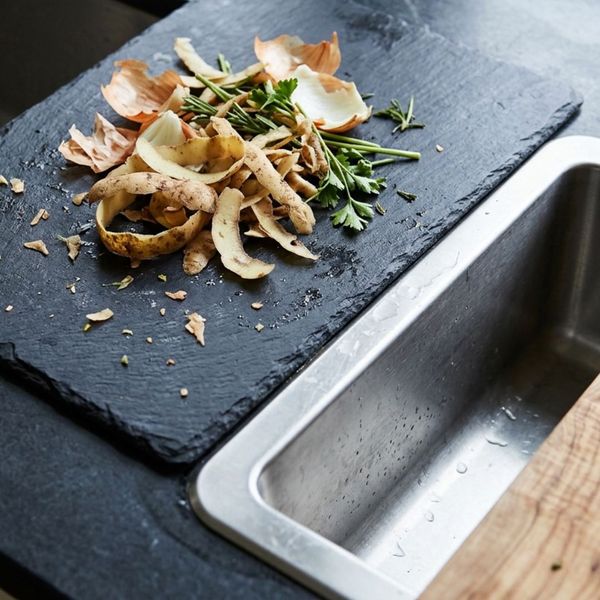
Pouring kitchen waste down the sink introduces harmful fats, oils, and grease into your plumbing. Starchy scraps like potato peels, coffee grounds, and bacon grease solidify rapidly underground, forming a dense scum layer. This stubborn layer severely restricts your system's capacity, increasing the risk of backups and requiring far more frequent professional septic tank servicing interventions.
The Alternative: Clean Plumbing and Waste Separation
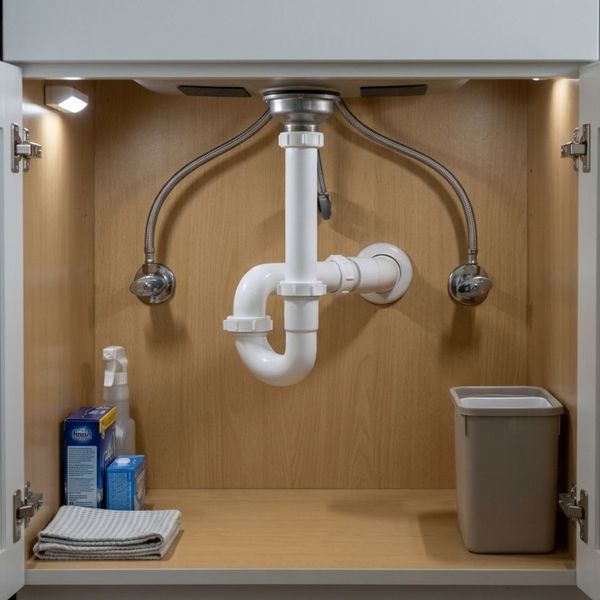
Protecting your subterranean infrastructure starts directly at the kitchen sink. We strongly encourage homeowners to adopt practical waste separation habits. By thoroughly scraping plates into the compost bin or trash receptacle before rinsing them, you prevent unnecessary solid buildup. This simple, proactive adjustment protects your delicate drainfield and significantly extends the overall lifespan of your system.

Long-Term Maintenance: Necessary Pumping Intervals
If your household chooses to regularly operate a disposal unit, your maintenance timeline changes drastically. Heavy food waste loads mean your standard pumping schedule must accelerate from every three to five years to every one to two years. Sticking to this revised routine ensures your tank operates smoothly while proactively preventing disastrous and messy system failures.
Balancing kitchen convenience with proper infrastructure care is vital for your property's long-term health, helping you prevent unnecessary clogs and drainfield damage. At B&B Pumping, we bring professional rigor and reliability to all your property maintenance needs. Contact our team to schedule your next service, or explore our website for more guidance on keeping your system running flawlessly.